
 Vincent Benjamin
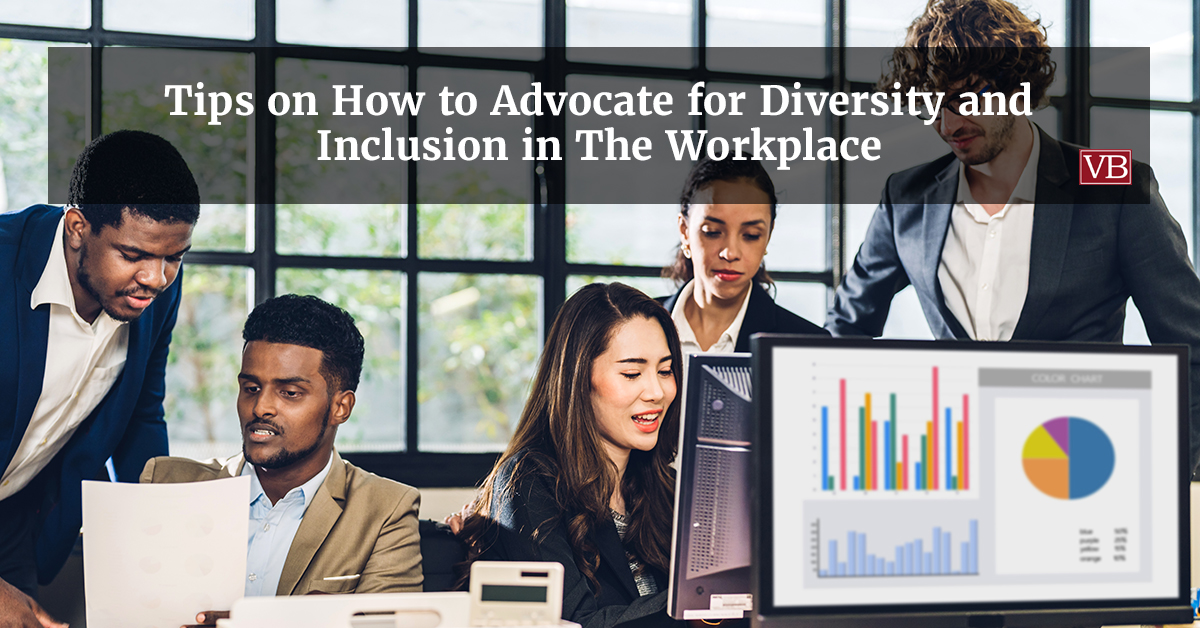
While many companies have made significant headway when it comes to diversity and inclusion, that doesn’t mean that most don’t still have quite a way to go before achieving related goals. As an employee, you may doubt whether you can have much impact on diversity and inclusion in your workplace. However, that isn’t the case.
As an employee, you do have the ability to impact your employer. If you’re wondering how you can advocate for diversity and inclusion, here are three tips to get you started.
1. Start with You
Even if you don’t have any say in the hiring process, that doesn’t mean you can’t impact diversity and inclusion in your workplace. By ensuring that you are welcoming and respectful whenever you encounter any other employee, you’re boosting the culture of your workplace in a way that supports both points.
Consider how you interact with employees, both in your immediate team and outside of it. Remember, even casual moments when you cross paths with others can influence how a company is viewed, so make sure that you’re doing your part to create an inclusive and friendly environment.
2. Strategically Address Issues
Taking action when you notice microaggressions or more blatant discriminatory behavior can be an option for improving diversity and inclusion in the workplace. However, you need to make sure that you address the situation strategically. The actions you could take may vary depending on what’s occurring and your position within the company.
For instance, if a minority employee is being consistently shot down or interrupted during meetings, you could try to interject and pivot the conversation back to their idea if you have enough clout during the discussion. Otherwise, you could reach out to the offender once the meeting is over to discuss what you saw and how it impacted you, increasing awareness of potential microaggressions. Speaking with a manager or HR is also an option, particularly if you’re newer to the company or aren’t in a position where speaking with someone directly would be practical or functional.
3. Set Social Boundaries
If you’re aware of an employee that’s acting inappropriately toward other workers and have tried to address the issue but haven’t seen results, setting social boundaries could be essential. While you may need to engage with them on a professional level, such as when completing group projects, avoiding conversations that fall outside of work-related topics could be wise. Additionally, declining invitations to gather outside of the workplace might be essential.
Setting social boundaries accomplishes two things. First, it ensures your reputation isn’t tarnished by the actions of another. Second, it allows you to avoid distressing conversations or comments.
It’s still smart to report the behavior to higher-ups, ensuring that the employee’s actions are addressed. However, until that happens, make sure to set social boundaries. Then, if their behavior changes, you can reconsider those boundaries as they show signs of improvement.
Do You Want to Learn More About Diversity and Inclusion?
If you’d like to learn more about advocating for diversity and inclusion in the workplace, the team at VB wants to hear from you. Contact us today.
